In this specialized consultation, we diagnose and treat movement disorders, which include common conditions such as tremors and Parkinson’s disease, along with rarer diseases such as dystonia. What these disorders have in common is that they cause disturbances in the movement sequences.
For example, in Parkinson’s disease, movements become slower and sometimes very difficult to perform. Parkinson’s, along with other illnesses, can also cause a shaking known as tremors. Dystonia is a pathological overactivity of muscles, which can lead to, for example, a crooked neck (torticollis), eye muscle spasms (blepharospasm) or finger spasms while writing or playing an instrument.
We work with you to identify any existing problems and begin a personalized treatment. Therapeutic measures include physical therapy, occupational therapy and drug-based therapies with oral medications or botulinum toxin injections.
Expertise and services
Our interdisciplinary team (physical therapy, occupational therapy, physicians) works closely together to determine the most promising treatment methods.
Diagnostics
- Standardized neurological examinations to determine the type of movement disorder
- Olfactory testing to detect early symptoms of Parkinson’s disease
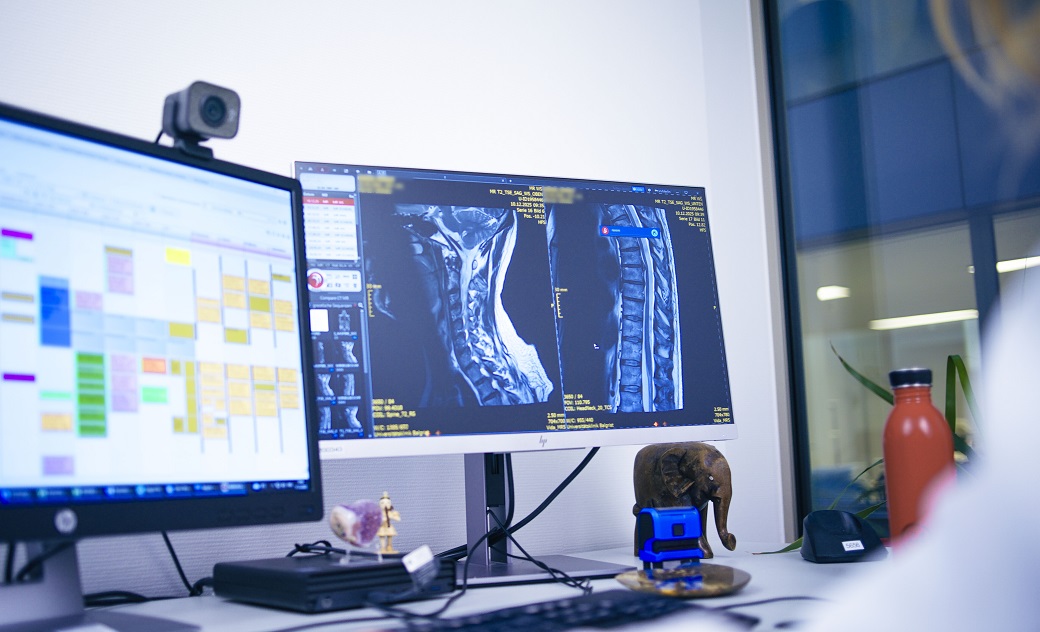
- Imaging techniques using computed tomography (CT) and magnetic resonance imaging (MRI)
- Drug tests to check whether symptoms are improved by medication (particularly for Parkinson’s disease)
Treatment
- Physical therapy
- Occupational therapy
- Medication therapy
- Botulinum toxin injections for dystonia